Thinking about buying a rental property in Phillipsburg? This riverfront town offers something many New Jersey investors are searching for: a lower cost of entry, practical rent potential, and steady demand tied to location and affordability. If you want to understand what rents look like, which property types make sense, and what local rules you need to verify before closing, this guide will help you sort through the numbers and focus on the details that matter most. Let’s dive in.
Why Phillipsburg draws investor attention
Phillipsburg is a compact Delaware River town with 15,299 residents and 6,873 housing units. The owner-occupied rate is 57.6%, which means the local housing mix still leaves room for a meaningful renter population. The town also has a downtown waterfront shopping district and a base of small and mid-size businesses, which supports day-to-day housing demand.
From a pricing standpoint, Phillipsburg stands out as relatively affordable compared with New Jersey overall. The Census Bureau reports a median gross rent of $1,167 in Phillipsburg versus $1,720 statewide, and a median owner-occupied home value of $193,200 versus $454,400 across New Jersey. For investors, that combination can make Phillipsburg worth a closer look when you are comparing entry costs to rent potential.
What rent levels look like now
One of the biggest questions investors ask is simple: what can you realistically charge? In Phillipsburg, the best way to think about rent is as a range, not one single number. Survey-based rent data and current advertised rents measure different things, so both are useful when viewed together.
The Census Bureau’s median gross rent is lower because it is a survey measure and includes utilities. Current listing portals show higher asking rents, with average or median advertised rents generally landing around the high $1,600s to mid-$1,700s. That gives you a practical market snapshot for today’s lease-up environment.
Phillipsburg rent bands by unit size
Based on current portal data, these are the general asking-rent ranges investors should watch:
- 1-bedroom units: about $1,400 to $1,635
- 2-bedroom units: about $1,700 to $1,810
- 3-bedroom units: about $1,800 to $1,900
- 4-bedroom units: about $2,095 to $2,398
These ranges are useful for early screening, but they should not replace property-specific comps. Condition, layout, location within town, and ease of access to downtown streets or transit can all influence where a unit fits within the range.
Which property types fit Phillipsburg best
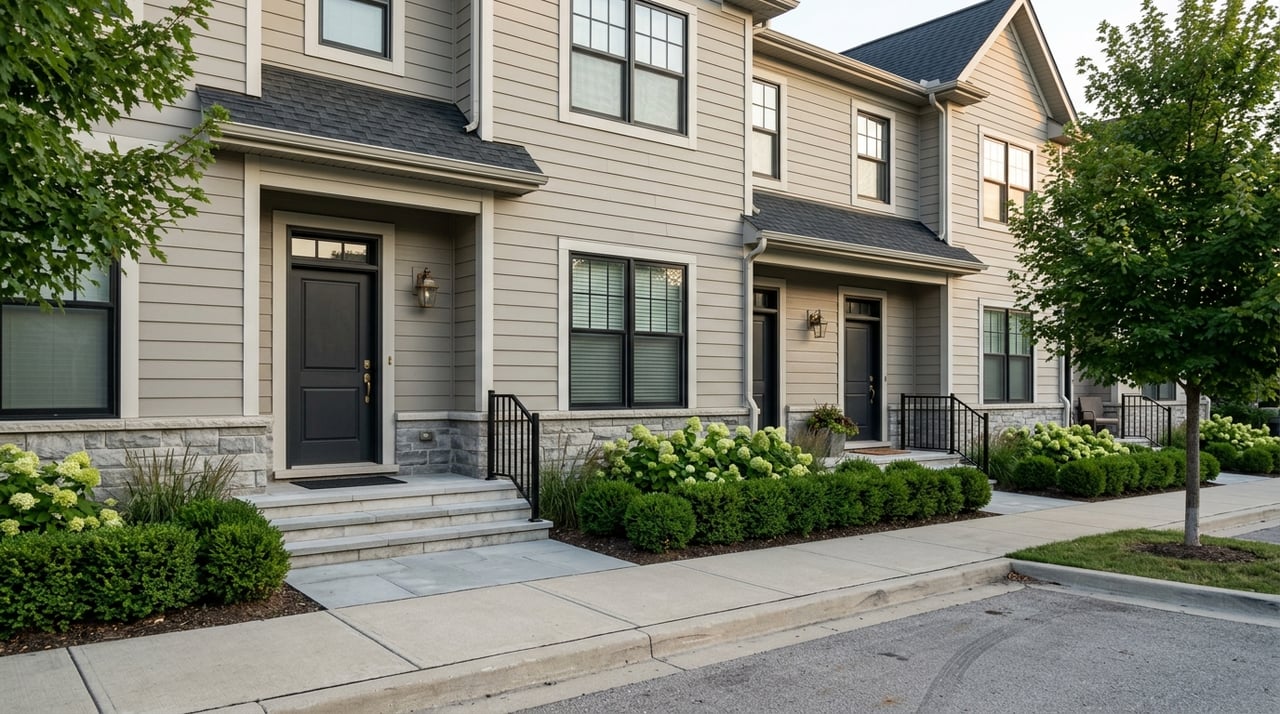
Phillipsburg is not a market defined by large waves of new luxury apartment development. Current rental inventory points to a housing stock that is more practical and small-scale. You will typically see houses, apartments, townhouses, duplex-style properties, small multifamily buildings, and some mixed-use downtown buildings with residential units above commercial space.
That lines up with the town’s planning context. Phillipsburg’s planning documents describe a market shaped by redevelopment and reuse, with limited land for future development and a need to repurpose older or obsolete buildings. For investors, that means the most realistic opportunities often involve existing properties that can be improved, stabilized, or repositioned.
Common investor targets
In Phillipsburg, the property types most likely to match local conditions include:
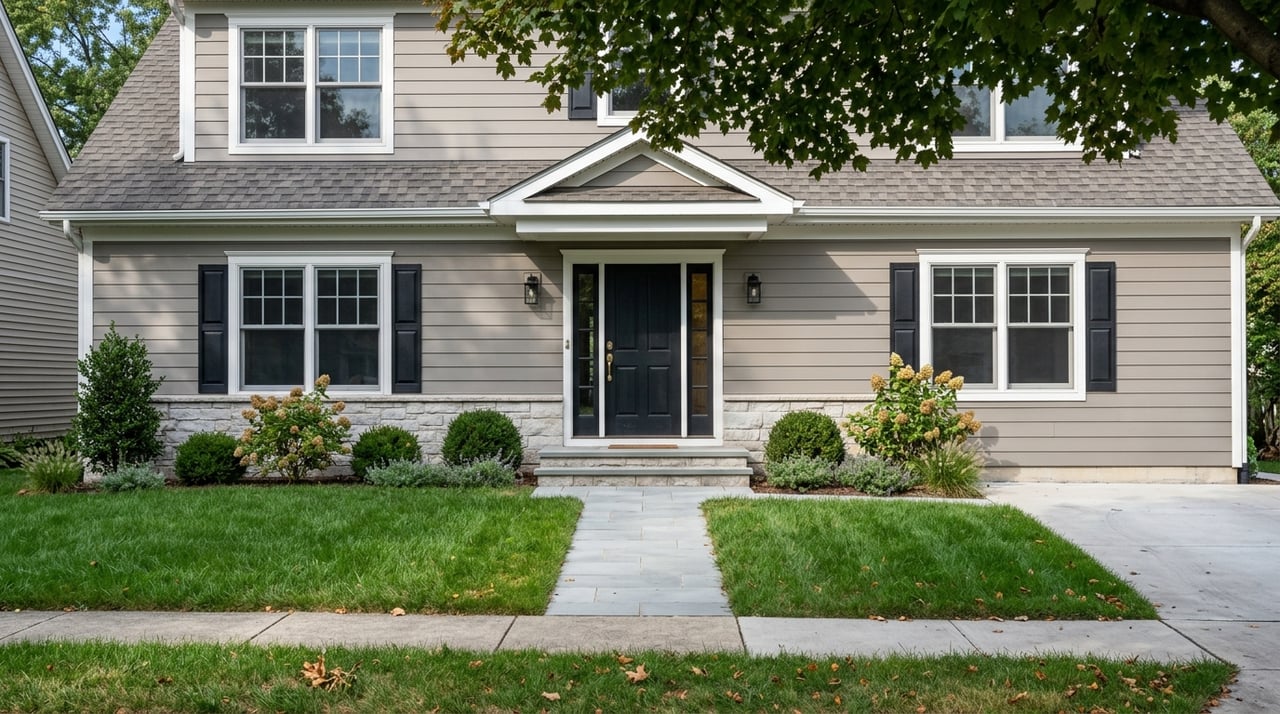
- Older detached single-family homes used as rentals
- Duplexes and two-family properties
- Small multifamily buildings
- Main Street mixed-use properties with residential units
- Older apartments that may benefit from updates or operational improvements
If your investment strategy depends on ground-up suburban multifamily development, Phillipsburg may not be the cleanest fit. If you are comfortable evaluating older housing stock and local compliance details, the town may offer more practical opportunities.
What drives renter demand in Phillipsburg
Tenant demand in Phillipsburg is tied to a straightforward value proposition: affordability plus access. The town sits across the Delaware River from Easton, Pennsylvania, which gives renters cross-river connectivity while staying in a comparatively affordable New Jersey market. That positioning can widen the pool of potential tenants who want flexibility in where they work, shop, or commute.
Location inside town matters too. Phillipsburg planning documents note congestion tied to South Main Street and Route 22 bridge traffic, along with limited highway access patterns connected to I-78. In a market like this, units near downtown, near major roads, or near transit options may have broader appeal than properties in less connected spots.
Transit and commuter access matter
Warren County Transportation operates a Phillipsburg/Washington shuttle on weekdays and Saturdays. County information also notes service connections involving NJ TRANSIT routes 890 and 891 serving Phillipsburg and Easton/Center Square. For investors, that means blocks with easier access to bus service and commuter routes can be worth extra attention during acquisition.
This does not mean every tenant will choose a unit based on transit alone. It does mean accessibility is part of the rental story in Phillipsburg, especially for households looking for convenience and flexibility.
Key landlord rules to verify before you close
A property can look strong on paper and still create problems if you miss a local compliance issue. In Phillipsburg, landlords need to pay close attention to rental registration, habitability inspections, and any property-specific limits on future rent growth. These are not details to leave for after closing.
The town states that all rental registrations must be filed electronically beginning March 1, 2025. The annual rental registration is due every March 1, and the fee is $150 per unit. The town also requires a yearly Certificate of Habitability.
Inspection timing can affect lease-up
Phillipsburg’s inspections division notes that habitability inspections usually require at least two weeks. Landlords or their agents are expected to be available for scheduled inspections. If you are buying a vacant unit or planning a turnover renovation, this timing matters because it can affect how quickly you can place a tenant.
That is why lease-up planning should include more than repair estimates and marketing photos. You also need to think through the inspection calendar and registration requirements so your income timeline stays realistic.
Rehab work may require permits
For value-add investors, permit review is essential. The town states that a permit is required to construct, enlarge, alter, or demolish a structure, and the work must comply with New Jersey’s Uniform Construction Code. If your business plan depends on renovations, you should confirm the scope of work and permit path before you finalize your numbers.
This is especially important in an older-housing market. Older properties can create opportunity, but they can also involve more moving parts during renovation and turnover.
Check rent control status early
Phillipsburg also has a rent control board under Ordinance 2024-31. That does not automatically mean every property is affected in the same way, but it does mean investors should confirm whether a specific building is subject to the ordinance before assuming future rent increases will follow market-level expectations.
This step is easy to overlook when a listing looks attractive. It is also one of the most important items to verify during due diligence because it directly affects underwriting.
A practical due diligence checklist
Before you buy a Phillipsburg rental property, make sure you verify these items:
- Current rental registration status
- March 1 annual registration deadline
- $150 per-unit registration fee
- Yearly Certificate of Habitability requirement
- Expected inspection scheduling timeline
- Whether planned rehab work needs permits
- Whether the property may be subject to local rent control rules
- Bedroom-specific rent comps for the subject property type and condition
- Whether the location supports commuter or downtown-adjacent tenant demand
A good investment decision usually comes down to execution, not just purchase price. The more carefully you line up these details before closing, the more confident your next steps can be.
How to evaluate a Phillipsburg deal realistically
In Phillipsburg, a smart investor usually looks at three things together: entry price, rent range, and compliance risk. Lower pricing than many New Jersey markets may improve the numbers at first glance, but your returns still depend on realistic rents, local rules, and the actual condition of the property. A deal only works if the full picture works.
It also helps to stay grounded in the kind of inventory Phillipsburg actually offers. This is a market where small multifamily properties, older homes, and mixed-use buildings may be more common than newer large-scale assets. If your strategy includes targeted updates, better operations, and careful lease-up planning, Phillipsburg may offer useful opportunities in that lane.
Where local guidance adds value
For small investors, the hardest part is often not finding a property. It is confirming whether the numbers hold up after you factor in rent comps, property condition, registration requirements, inspection timing, and any rent-control questions. That is where local transaction support can make a real difference.
If you are comparing Phillipsburg opportunities, it helps to work with someone who can pull current bedroom-specific comps, help you evaluate small multifamily options, and keep the closing process organized from contract to lease-up planning. If you want hands-on support with a Phillipsburg rental property search or small multi-family purchase, reach out to Jessica Munoz to schedule your free consultation.
FAQs
What rent can investors expect for a rental property in Phillipsburg, NJ?
- Current asking rents in Phillipsburg generally land around the high $1,600s to mid-$1,700s overall, with about $1,400 to $1,635 for 1-bedrooms and about $1,700 to $1,810 for 2-bedrooms.
What property types are common for Phillipsburg, NJ rental investors?
- Common property types include houses, apartments, townhouses, duplexes, small multifamily buildings, and some downtown mixed-use properties with residential units.
What should landlords verify before buying a Phillipsburg, NJ rental property?
- You should verify rental registration status, yearly habitability inspection requirements, permit needs for planned rehab work, and whether the property may be subject to local rent control rules.
Why do tenants choose rental housing in Phillipsburg, NJ?
- Tenants are often drawn to Phillipsburg for its relative affordability, access to Easton across the river, commuter connections tied to major roads, and local transit options serving the area.
Does Phillipsburg, NJ require rental property inspections?
- Yes. The town requires a yearly Certificate of Habitability, and the inspections division notes that habitability inspections usually need at least two weeks to schedule.